





In recent years, Virtual Power Plants (VPPs) have moved beyond policy pilot programs and entered large-scale commercial deployment. According to publicly available data from the International Energy Agency (IEA) and BloombergNEF, global distributed energy storage capacity has achieved a compound annual growth rate (CAGR) of over 30% in the past five years. Meanwhile, multiple mature electricity markets have begun allowing distributed energy storage systems to participate in ancillary service markets.
In Australia, for example, virtual power plant projects in South Australia have aggregated tens of thousands of residential battery systems to provide grid frequency regulation services. During peak periods, these aggregated systems can form dispatchable capacity in the hundreds of megawatts. This shift signifies a fundamental transformation: a single household battery is no longer merely a behind-the-meter asset — it is becoming a grid-level resource.
In the German market, certain storage aggregators allow residential battery systems to participate in the Frequency Containment Reserve (FCR) market. In some periods, revenues from FCR participation have accounted for 20–40% of total system income, and in years with high electricity price volatility, the proportion can be even higher. In practical terms, if a storage system cannot connect to a VPP platform, customers may directly lose access to a significant revenue stream. This shift in revenue structure is fundamentally changing how customers evaluate energy storage products.
Under traditional operating models, the investment payback period of storage systems largely depends on energy arbitrage and increasing self-consumption rates. However, once integrated into a VPP framework, the revenue model becomes diversified, including frequency regulation compensation, capacity market payments, and demand response incentives. In some mature markets, systems participating in ancillary services can reduce their payback period by one to two years. For distributors and system integrators, this revenue differential directly influences product selection and recommendation strategies.
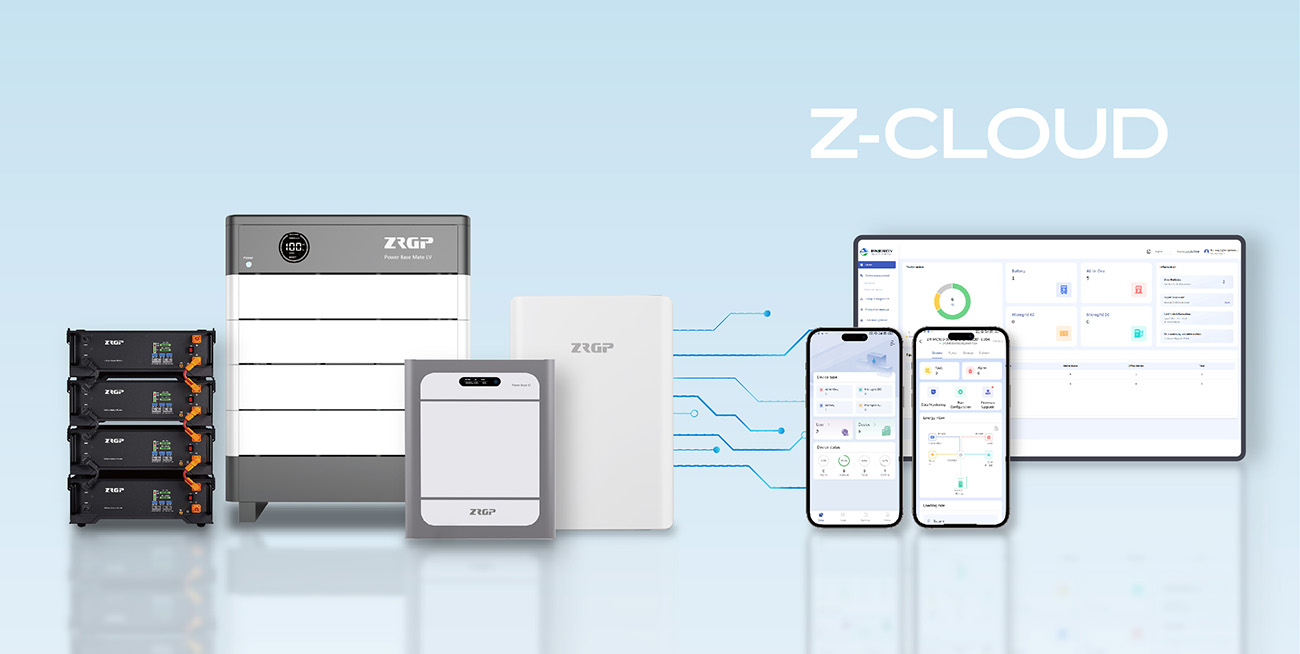
As a result, energy storage brands that lack VPP integration capability may face clear disadvantages in future tenders and channel expansion. Increasingly, project specifications require storage systems to support remote dispatch, real-time data transmission, and open communication protocols. Energy aggregators also tend to prioritize brands that offer standardized interfaces and remote upgrade capabilities, reducing integration risks and ensuring long-term flexibility.
From an industry perspective, as the share of renewable energy continues to increase, grid operators face growing demand for fast-response flexibility resources. Energy storage systems are becoming critical nodes in maintaining grid stability. VPP is not merely a technological trend; it reflects a structural transformation in electricity markets. For energy storage brands, the ability to participate in the broader power market ecosystem will increasingly determine their positioning and competitiveness in mature markets.