





How Do Energy Storage Systems Respond to Fire Risks?
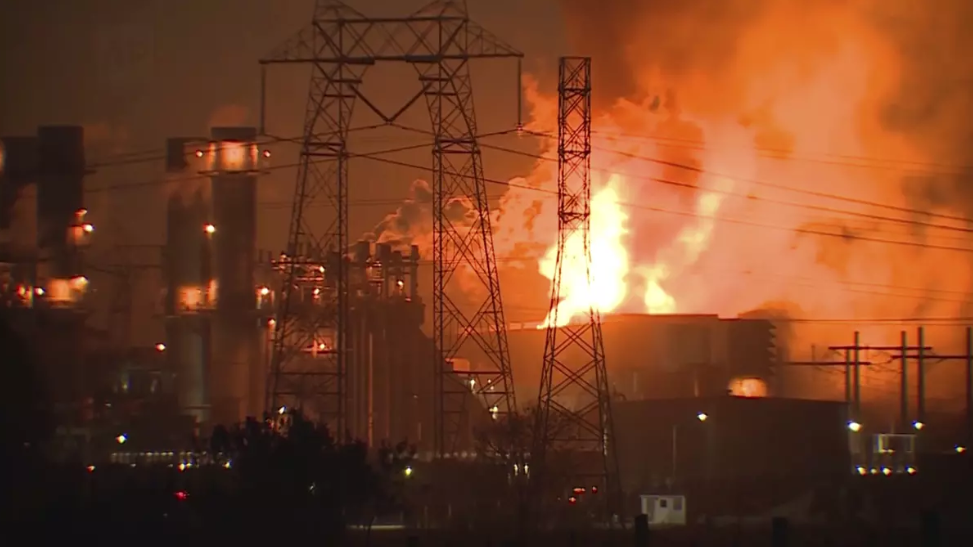
As the demand for energy storage grows, driven by the global shift toward renewable energy, the importance of understanding fire risks associated with Energy Storage Systems (ESS) becomes ever more critical. While energy storage offers significant benefits in terms of reliability and efficiency, it also comes with challenges—particularly when it comes to safety. Specifically, the risk of fire is a concern that needs to be addressed with precision and expertise.
Energy storage systems, especially those using lithium-ion batteries, are at the forefront of modern energy management. These batteries, though highly efficient, can be vulnerable to thermal runaway and other incidents that could lead to fire if not properly managed. So, how do energy storage systems respond to these risks, and what technologies are in place to minimize them?
The Fire Risk in Energy Storage Systems
The fire risk in energy storage systems primarily stems from lithium-ion batteries, which, although widely used, are known for their potential to overheat or catch fire under certain conditions. This can happen if a battery is overcharged, short-circuited, subjected to physical damage, or even when it operates in extreme temperatures.
When a lithium-ion battery begins to overheat or experiences a fault, it can lead to thermal runaway, a process where the heat generated inside the battery accelerates, causing a chain reaction that could result in fire or even explosion.
This risk is heightened in large-scale systems used in commercial or industrial applications, where a battery failure could cause catastrophic consequences, not just for the system but for nearby infrastructure and personnel as well.
How Energy Storage Systems Mitigate Fire Risks
Given the risks, modern energy storage systems are designed with multiple layers of fire protection. These systems use a combination of passive and active safety features to detect, contain, and extinguish any fire hazards that may arise. Let's take a closer look at how these systems respond:
Passive Fire Protection: Design and Materials
The first layer of defense in an energy storage system is passive fire protection. This involves the design of the system and the materials used in construction. Many battery modules are built with fire-resistant materials that help prevent the spread of fire, should a malfunction occur.
In addition, manufacturers use thermal barriers to contain heat. These barriers are designed to withstand extreme temperatures, preventing heat from spreading to other parts of the system and buying valuable time for other safety measures to kick in.
Active Fire Detection and Suppression Systems
The next layer of protection involves active fire detection and suppression systems. These systems are equipped with smoke detectors and temperature sensors that continuously monitor the health of the battery modules. If an abnormal temperature rise or other signs of a potential fire are detected, these sensors will immediately trigger an alert.
In response, an automatic fire suppression system can be activated. This system typically uses non-toxic suppression agents, like gas-based systems, that are designed to cool down the area, suppress flames, and prevent the fire from spreading. The use of such systems is crucial in ensuring that a fire does not escalate.
Battery Management Systems (BMS)
The Battery Management System (BMS) is a key component of modern energy storage systems and plays a central role in fire prevention. A well-designed BMS can monitor critical parameters such as voltage, current, temperature, and state of charge of each cell in the system.
By continually analyzing this data, the BMS can prevent overcharging or excessive heating, both of which can lead to fire risks. In the event of an anomaly, the BMS will automatically shut down the system or reduce charging speeds, minimizing the risk of thermal runaway.
Fireproof Enclosures and Battery Compartments
Another critical aspect of fire protection in energy storage systems is the use of fireproof enclosures. These enclosures are designed to contain any potential fire within a specific area, preventing it from spreading to other components or external areas.
These enclosures are made of fire-resistant materials and equipped with ventilation systems to ensure that heat generated within the system is safely dissipated. Some advanced systems also have fire-resistant barriers inside the enclosure, further preventing heat build-up.
Remote Monitoring and Real-Time Alerts
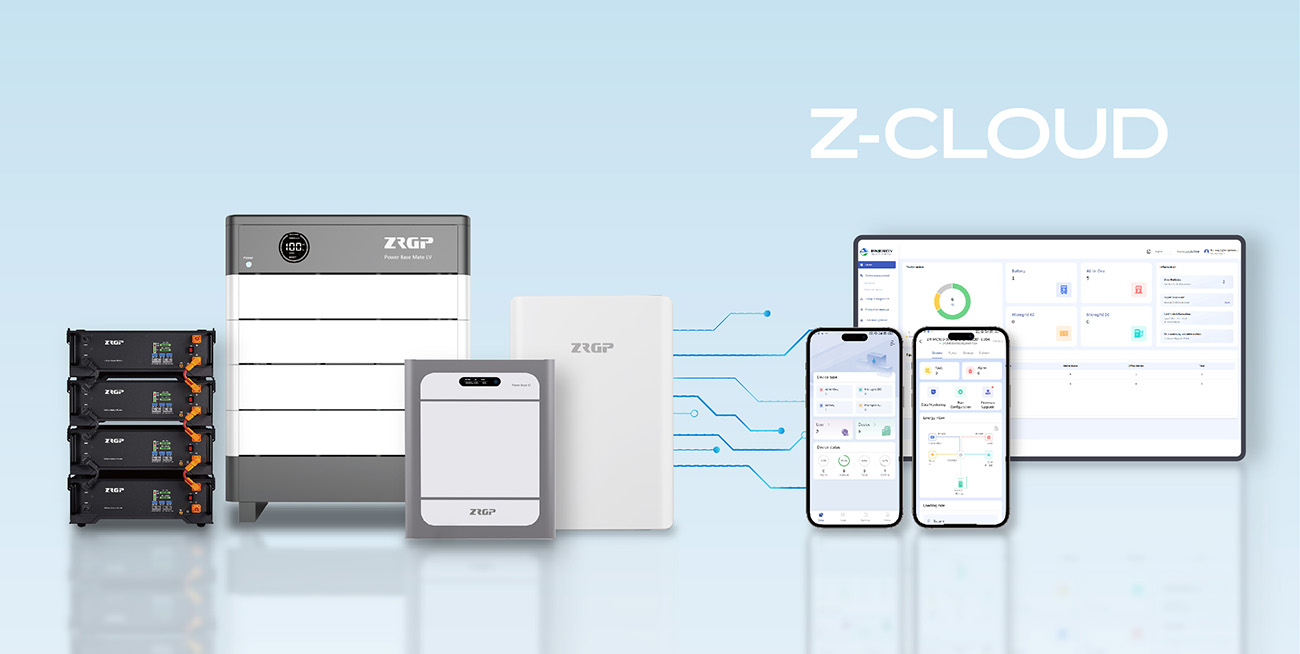
Modern energy storage systems come equipped with remote monitoring capabilities, allowing operators to track the system’s health in real-time. This allows for early detection of any issues, such as overheating or battery failure, so that corrective actions can be taken immediately.
Additionally, the data collected from the system can be used for predictive maintenance, meaning that potential issues can be addressed before they even have a chance to evolve into serious fire hazards.
Ensuring Safety for the Future
As the world transitions toward a more renewable energy-driven future, the role of energy storage will only continue to grow. While the risk of fire in energy storage systems cannot be completely eliminated, advances in fire protection technology are making energy storage systems significantly safer.
By incorporating layered safety features such as passive fire protection, advanced fire detection systems, real-time monitoring, and sophisticated battery management systems, today’s energy storage solutions can effectively minimize fire risks. As the technology evolves, we can expect even safer and more reliable systems that will power a sustainable energy future.
At the end of the day, it’s not just about improving energy storage capacity—it’s about ensuring that safety and reliability are always prioritized. As the energy storage industry continues to grow, ZRGP remains committed to providing cutting-edge solutions that balance both innovation and safety.