



Reducing Energy Costs with Time-of-Use (TOU) Optimization
Enhancing Operational Efficiency and Reliability
Incentives and Tax Benefits for Sustainable Energy Solutions
Long-Term Cost Savings and ROI
Enabling Business Growth and Scalability
Conclusion: A Smart Investment for the Future
The Economic Benefits of Energy Storage: A Game Changer for Businesses

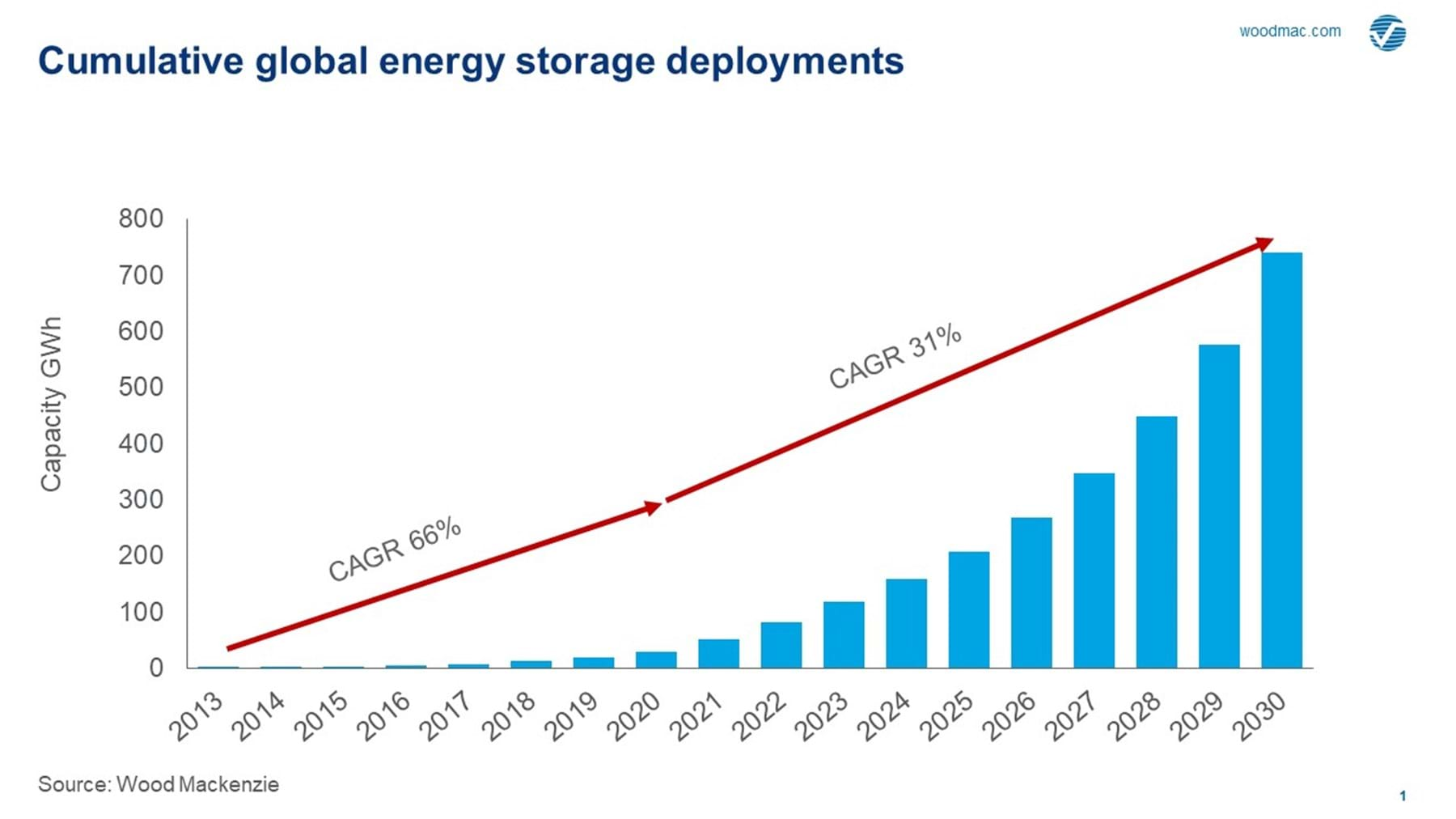
As the global energy landscape evolves, businesses are increasingly turning to energy storage systems to optimize energy usage, reduce costs, and enhance operational efficiency. Energy storage is no longer just a tool for backup power—it’s a strategic asset that can help companies streamline their operations, achieve long-term savings, and contribute to sustainability goals. In this article, we will explore the key economic benefits of adopting energy storage solutions, particularly in commercial and industrial (C&I) settings.
Reducing Energy Costs with Time-of-Use (TOU) Optimization
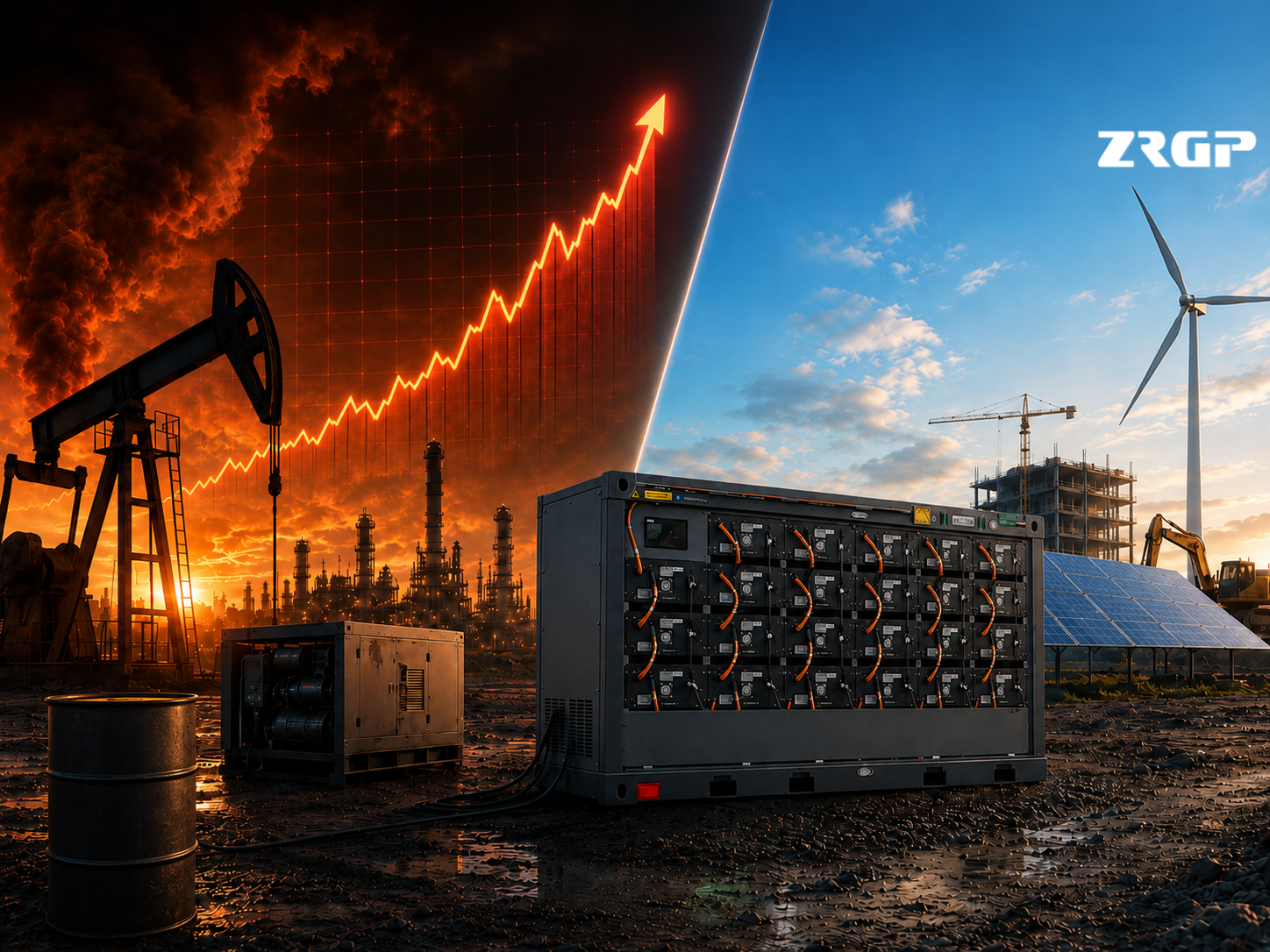
One of the most significant economic advantages of energy storage is the ability to reduce electricity costs through time-of-use (TOU) optimization. Utility rates often vary depending on the time of day, with higher charges during peak hours. Energy storage allows businesses to store energy during off-peak hours when electricity is cheaper and use it during peak hours when the cost is higher. This process, known as peak shaving, helps businesses save on their energy bills by avoiding high demand charges.
By strategically timing energy consumption, businesses can significantly reduce their electricity expenses without compromising productivity. For example, a company with a solar energy system can use energy storage to store excess solar power during the day and use it during the night when grid electricity is more expensive.
Enhancing Operational Efficiency and Reliability
Energy storage systems provide businesses with the ability to store excess energy and ensure that operations continue smoothly during power outages or disruptions. For industries that rely on continuous operations—such as manufacturing, data centers, or healthcare facilities—an uninterrupted power supply is critical. Energy storage systems can act as a reliable backup power source, reducing the need for expensive diesel generators or costly downtime.
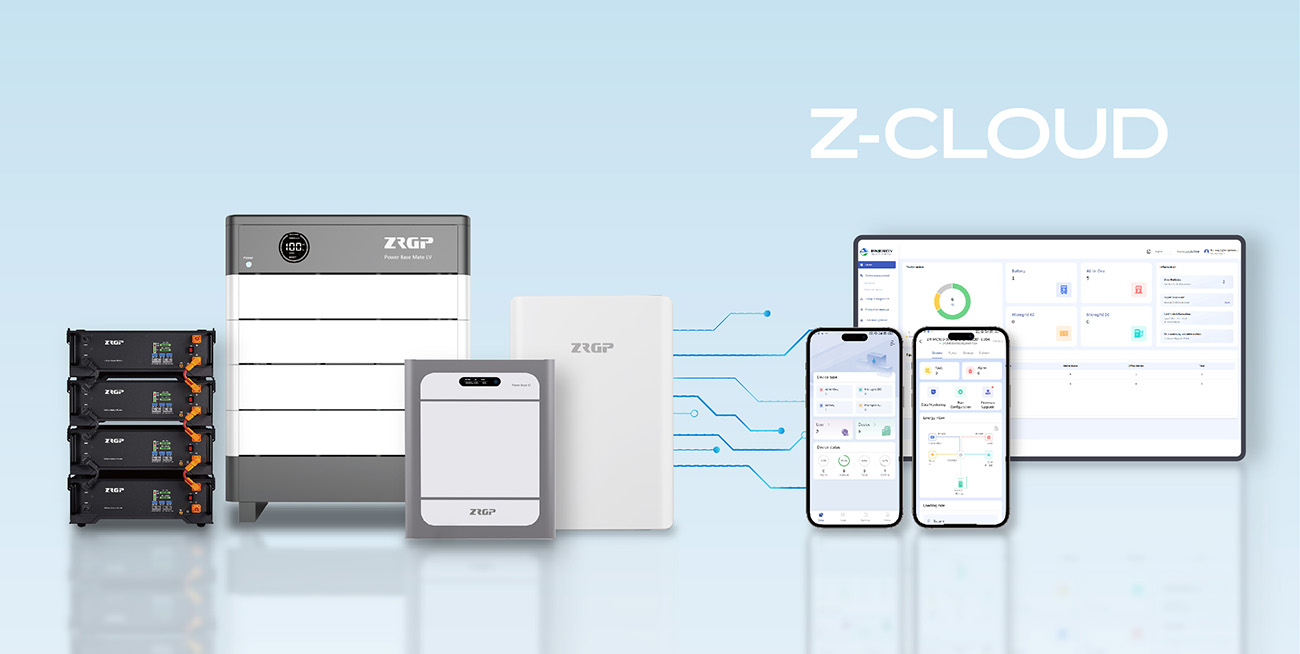
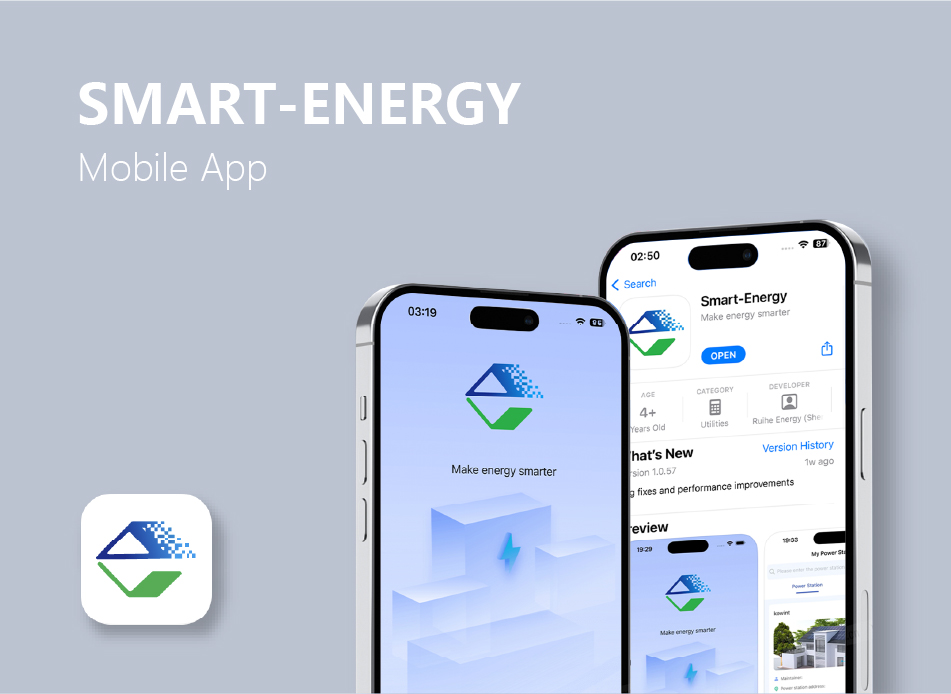
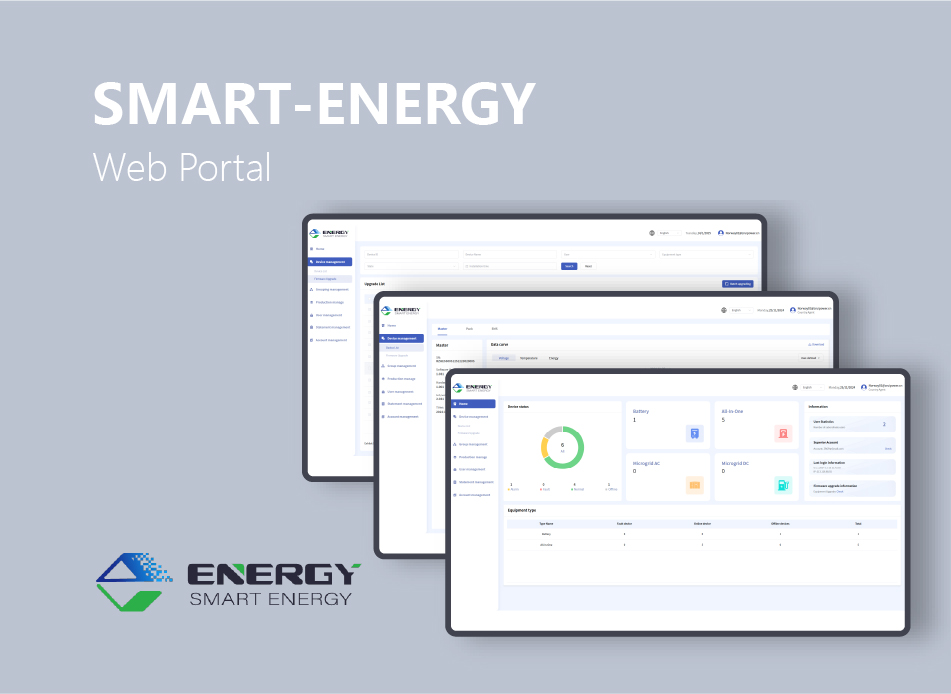
Moreover, energy storage helps optimize power usage by providing businesses with a real-time view of their energy consumption. Advanced Energy Management Systems (EMS) allow businesses to monitor their energy storage systems, track performance, and manage energy usage, improving overall operational efficiency.
Incentives and Tax Benefits for Sustainable Energy Solutions
With the growing emphasis on sustainability, businesses that invest in renewable energy and energy storage systems may qualify for a variety of government incentives and tax benefits. Many countries offer tax credits, rebates, or subsidies for companies that integrate solar, wind, or energy storage solutions into their operations. These incentives significantly reduce the upfront cost of installing energy storage systems and offer businesses a faster return on investment (ROI).
Additionally, adopting energy storage systems can help businesses meet sustainability goals and comply with regulatory requirements related to carbon emissions. As more governments introduce carbon reduction mandates, having an energy storage system that integrates with renewable energy sources can provide a competitive edge in the market.
Long-Term Cost Savings and ROI
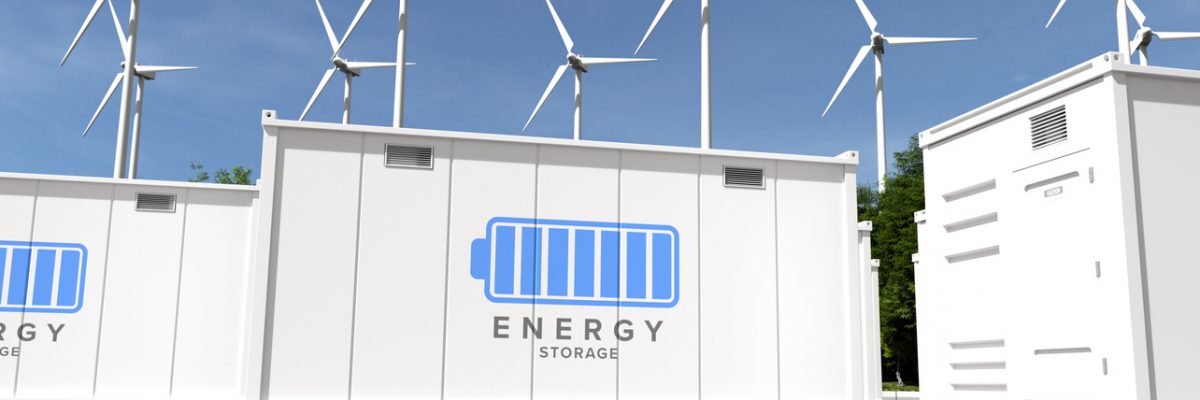
While the initial investment in energy storage may seem significant, the long-term savings and return on investment (ROI) make it a worthwhile consideration. Energy storage systems are designed to reduce operational costs over time by lowering electricity bills, cutting fuel consumption for backup generators, and improving energy efficiency.
A well-maintained energy storage system can last for 15–20 years, providing businesses with a reliable, cost-saving energy solution. With energy storage, companies can also minimize their reliance on fossil fuels, helping them reduce exposure to volatile energy prices. This contributes to financial stability and allows businesses to plan more accurately for future energy needs.
Enabling Business Growth and Scalability
As businesses grow, so do their energy demands. Energy storage solutions are designed to be scalable, meaning businesses can expand their storage capacity as their needs evolve. This scalability provides businesses with the flexibility to scale their energy systems without needing to make costly infrastructure changes.
For example, a small business that initially installs a modest energy storage system to support solar power can easily upgrade the system as their energy needs increase. This modular design allows businesses to expand their storage capacity gradually, reducing upfront costs and avoiding unnecessary overspending on oversized systems.
Conclusion: A Smart Investment for the Future
Energy storage is more than just a tool—it's a smart investment that offers businesses cost savings, efficiency, backup power, and sustainability. With scalable solutions and long-term savings, it plays a key role in any business’s energy strategy.
As energy prices fluctuate and demand for sustainable solutions grows, businesses adopting energy storage today will be better prepared to meet future needs and achieve financial savings.