






Why Cold Weather Isn
The Safety Threats You Need to Understand
How to Combat the Cold: Protecting Your Lithium Batteries
Winter-Proof Your Energy Storage: It
Surviving the Cold: How Freezing Temperatures Impact Lithium Batteries & What You Can Do About It
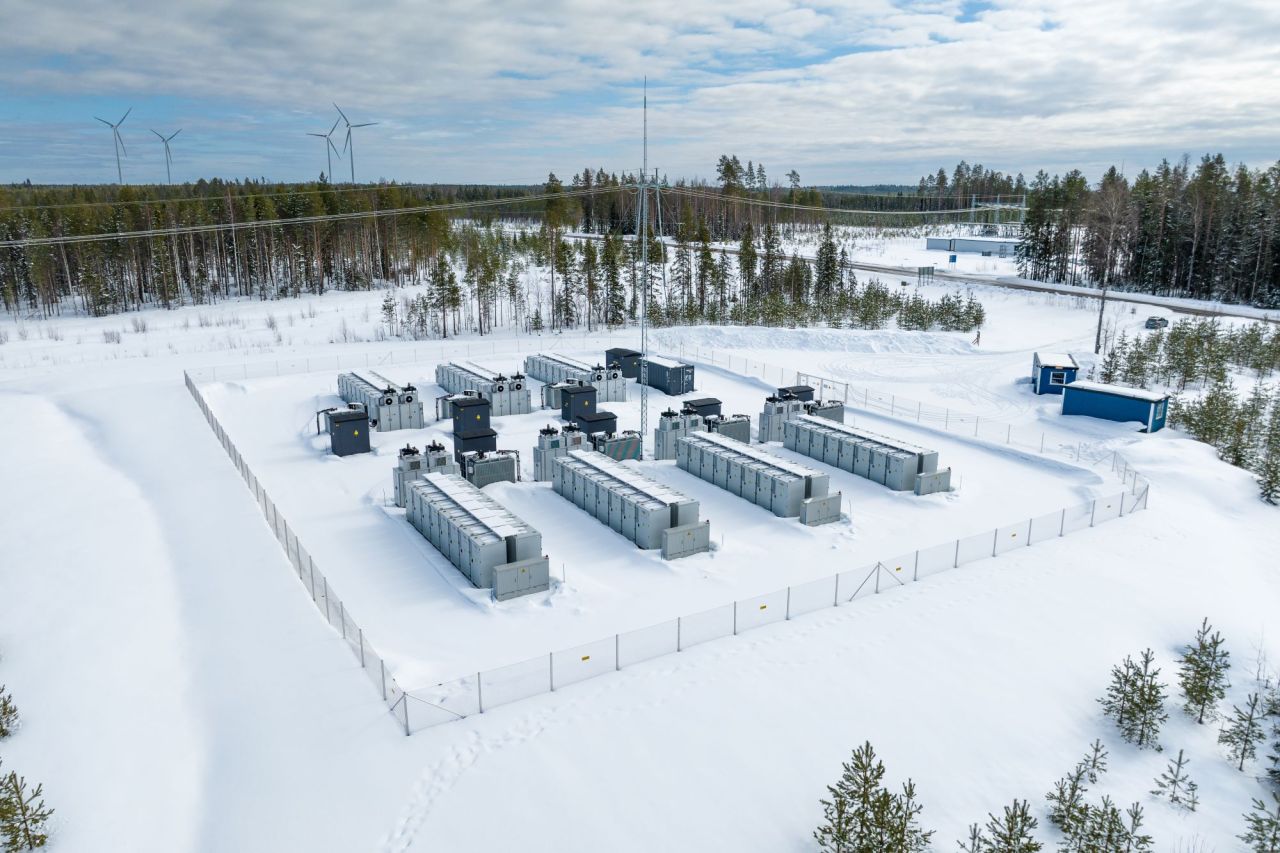
As the world shifts towards more sustainable energy solutions, lithium-ion batteries have become the backbone of energy storage systems—from powering renewable energy grids to ensuring electric vehicles run smoothly. However, one challenge that's often underestimated is the effect of cold weather on battery performance. When temperatures drop, so does battery efficiency, and for those operating in colder climates, this could mean major headaches.
But don't worry. Understanding how low temperatures affect lithium batteries and implementing the right strategies can ensure that your systems remain efficient and safe, even in the chilliest conditions.
Why Cold Weather Isn't Just an Inconvenience—It's a Threat to Battery Performance
The Silent Energy Drain: Reduced Capacity
When temperatures dip, the battery's ability to hold and deliver energy also drops. This is because lithium-ion batteries rely on the movement of lithium ions within the electrolyte to store and release energy. At colder temperatures, these ions move slower, resulting in a decrease in usable capacity. What does this mean for you? Your battery may still show a charge, but it won't last as long or provide the same power output as it would in warmer conditions.
In fact, during severe cold, you could see up to a 30% decrease in capacity. Imagine needing a full charge to get through the day but discovering that your battery's "full" charge won't even last half the time!
Sluggish Charging Times: The Waiting Game
Ever tried charging your device in freezing conditions? It's a painfully slow process, right? The same happens with lithium-ion batteries. Cold temperatures increase the internal resistance of the battery, which means it takes longer for your battery to charge—if it even charges at all. Charging a frozen battery can cause irreparable damage, leading to a complete failure.
It's not just about slow charging speeds—it's about the risk of failing to charge altogether in cold environments, especially if your battery is exposed to temperatures below its optimal range (0°C to 45°C).
The Dangerous Freeze: Risk of Damage and Safety Hazards
Now, this is where it gets serious. Extreme cold can cause the electrolyte inside the battery to solidify, potentially freezing the battery. When this happens, charging or discharging the battery could result in internal short circuits, permanent damage, and, in the worst cases, safety risks like fires or explosions. While this is a rare scenario, it's something that shouldn't be overlooked, especially if you're operating in sub-zero temperatures.
The Safety Threats You Need to Understand
Battery Freeze: The Silent Killer
When temperatures fall too low, the electrolyte in the battery begins to freeze, making the battery completely useless until it's warmed up. Trying to charge a frozen battery not only won't work—it could damage the battery permanently. The question isn't just about whether your battery will freeze, but what happens if you try to use it while it's frozen.
The Hidden Risk of Thermal Runaway
While thermal runaway is often associated with high temperatures, low temperatures can stress batteries in ways that lead to problems later on. When a battery is exposed to extreme cold and then subjected to rapid charging, it can suffer from issues like lithium plating—leading to internal short circuits. Once these internal problems accumulate, the risk of thermal runaway increases, and that's a serious safety hazard.
How to Combat the Cold: Protecting Your Lithium Batteries
Fortunately, there are simple but effective strategies you can implement to protect your lithium batteries from cold weather risks. Here are the key tactics that will help keep your battery systems running smoothly and safely through winter
Temperature-Controlled Enclosures: Your First Line of Defense
One of the best ways to combat the cold is to keep your batteries in temperature-controlled enclosures. These enclosures act as a protective shell, maintaining the optimal internal temperature for your battery, even when the outside temperature drops below freezing. If you're dealing with large energy storage systems, consider adding built-in heaters to keep the temperature stable.
Battery Thermal Management Systems (BTMS): Keep Things Cool—But Not Too Cool
Think of a Battery Thermal Management System (BTMS) as the battery's personal climate control. By using a combination of passive and active cooling and heating technologies, a BTMS keeps the internal temperature of your battery within a safe range. Whether it's using heat pipes, cooling fins, or even heating pads, BTMS ensures your batteries are never too cold to perform at their best.
Pre-Heating Systems: Warm Up Before You Start
For systems that need to operate in cold environments, consider incorporating pre-heating solutions. Before your battery gets to work, a pre-heating system can bring it up to the ideal operating temperature, ensuring that it performs at full capacity when you need it the most. This is especially important for larger systems, like those used in energy storage for solar power or electric vehicles.
Choose the Right Battery Chemistry
Not all lithium-ion batteries handle cold weather equally. Some chemistries, like lithium iron phosphate (LiFePO4), perform better in low temperatures than other types. By selecting the right battery chemistry for your application, you can minimize the impact of cold temperatures and ensure longer battery life and better overall performance.
Keep an Eye on Your Battery with a Smart Battery Management System (BMS)
A smart Battery Management System (BMS) is essential for maintaining the health and safety of your lithium batteries. The BMS monitors critical factors like charge levels, temperature, and voltage, ensuring your battery operates within safe limits. In cold weather, a BMS can prevent charging below safe temperatures and protect against overcharging, which can reduce your battery's lifespan.
Winter-Proof Your Energy Storage: It's Easier Than You Think
Cold weather doesn't have to mean compromised performance or safety for your lithium batteries. By understanding the risks and taking the right precautions, you can ensure that your energy storage systems remain reliable and efficient all year long—no matter how low the temperature drops.
At ZRGP, we specialize in advanced lithium battery technologies and solutions that are designed to work in all climates. Whether you're looking for temperature-controlled enclosures, thermal management systems, or battery monitoring tools, we've got you covered. Protect your investment and ensure that your systems keep running smoothly, no matter what the weather brings.