

As Oil Prices and Geopolitical Risks Rise, Diesel Generator Alternatives Are Becoming a Smarter Energy Choice
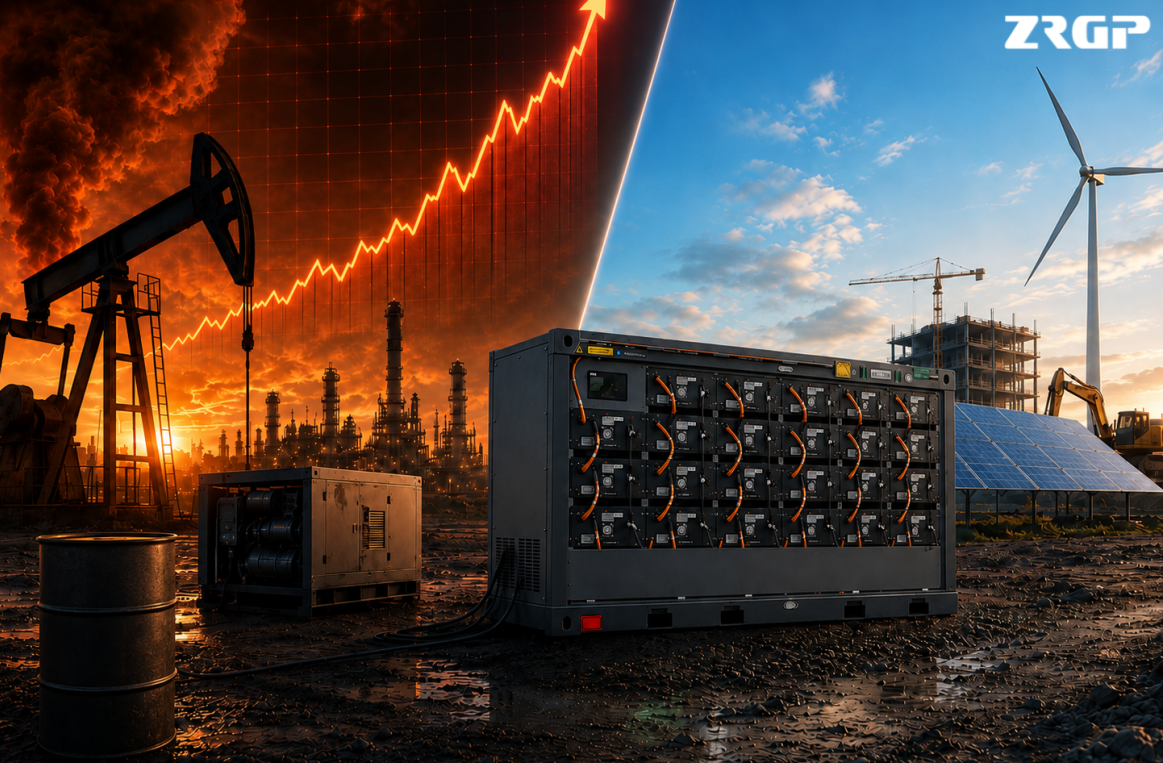
For decades, diesel generators have been widely used in construction sites, mining areas, farms, emergency response, off-grid regions, and weak-grid markets. They are easy to deploy, highly adaptable, and capable of providing essential power where grid access is limited or unstable. However, as international oil prices become more volatile, geopolitical conflicts continue, and fuel transportation costs rise, the traditional model of relying only on diesel generators is facing growing pressure.
The impact of war and geopolitical instability does not stop at the news level. It directly affects energy prices, fuel logistics, project operating costs, and energy security. According to the World Bank’s Commodity Markets Outlook, energy prices were projected to rise by 24% in 2026, reaching their highest level since 2022, while Brent crude was forecast to average $86 per barrel in 2026, up from $69 in 2025. The same report also highlighted that shipping disruptions through the Strait of Hormuz could create major pressure on global oil trade. The International Energy Agency also notes that around 20 million barrels per day of crude oil and oil products transit the Strait of Hormuz, making it a critical route for global energy security.

For businesses that depend heavily on diesel generators, rising oil prices mean higher daily operating costs. More importantly, fuel price uncertainty makes project budgeting harder to control. Construction sites, agricultural operations, industrial parks, remote communication stations, and temporary power projects all require stable electricity. Once fuel procurement, transportation, or storage becomes uncertain, equipment operation, project schedules, and business continuity may all be affected.
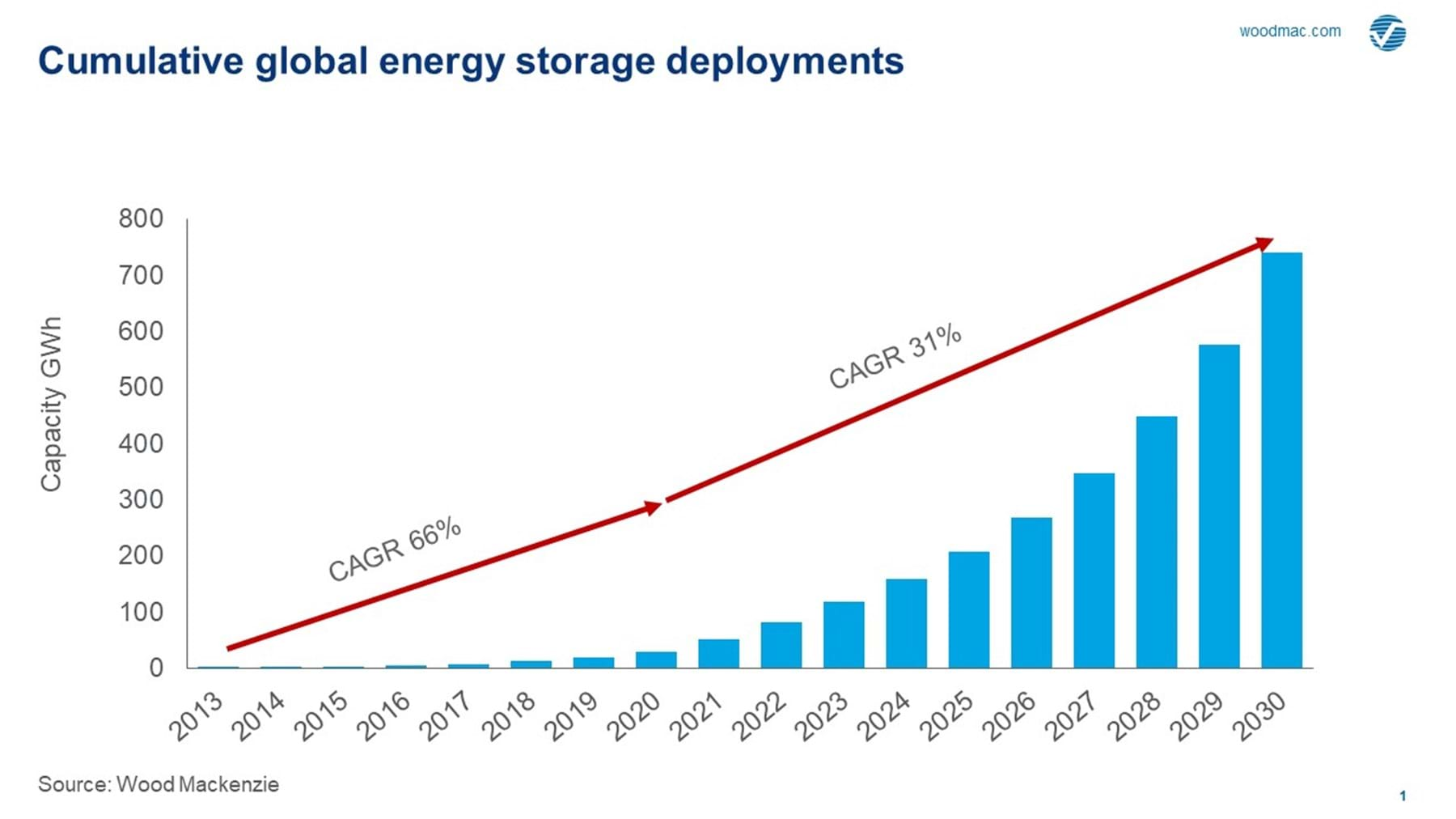
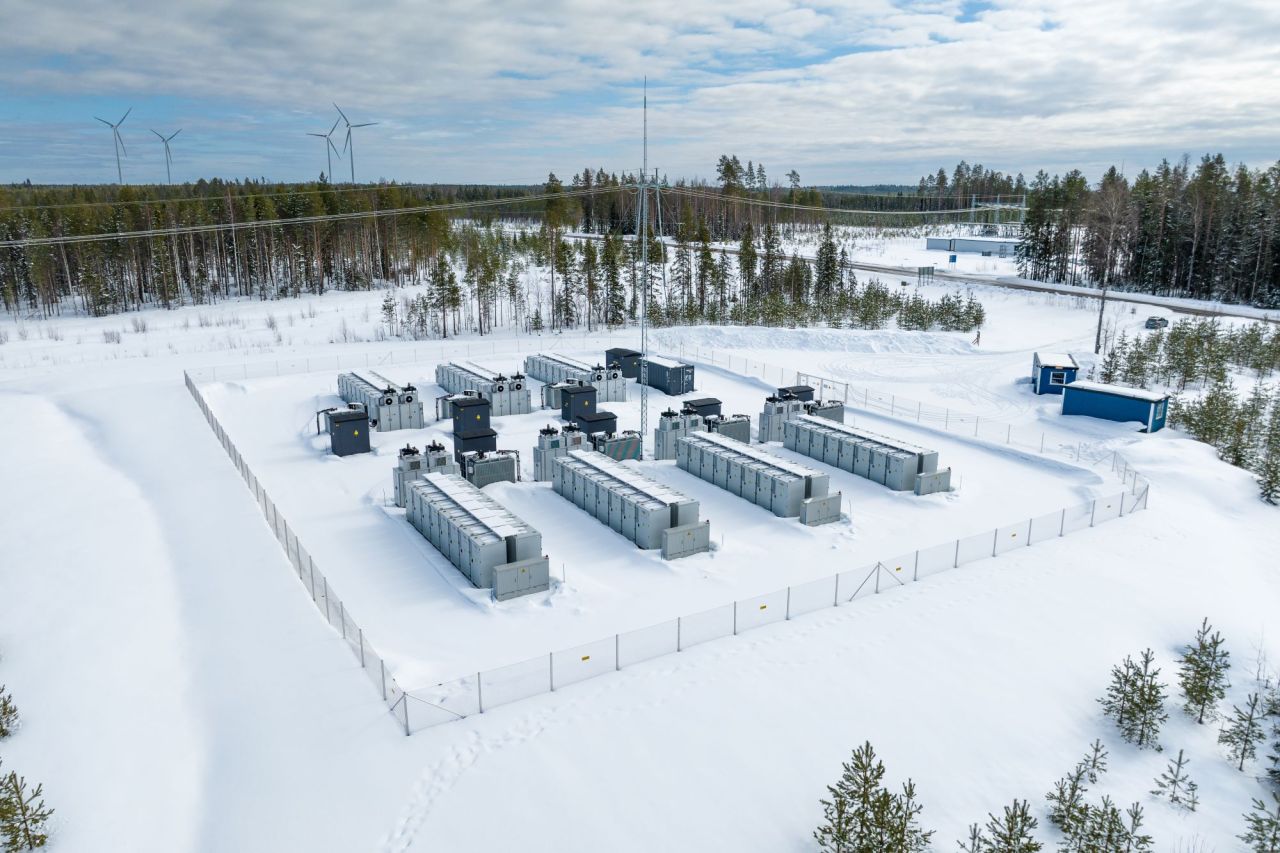
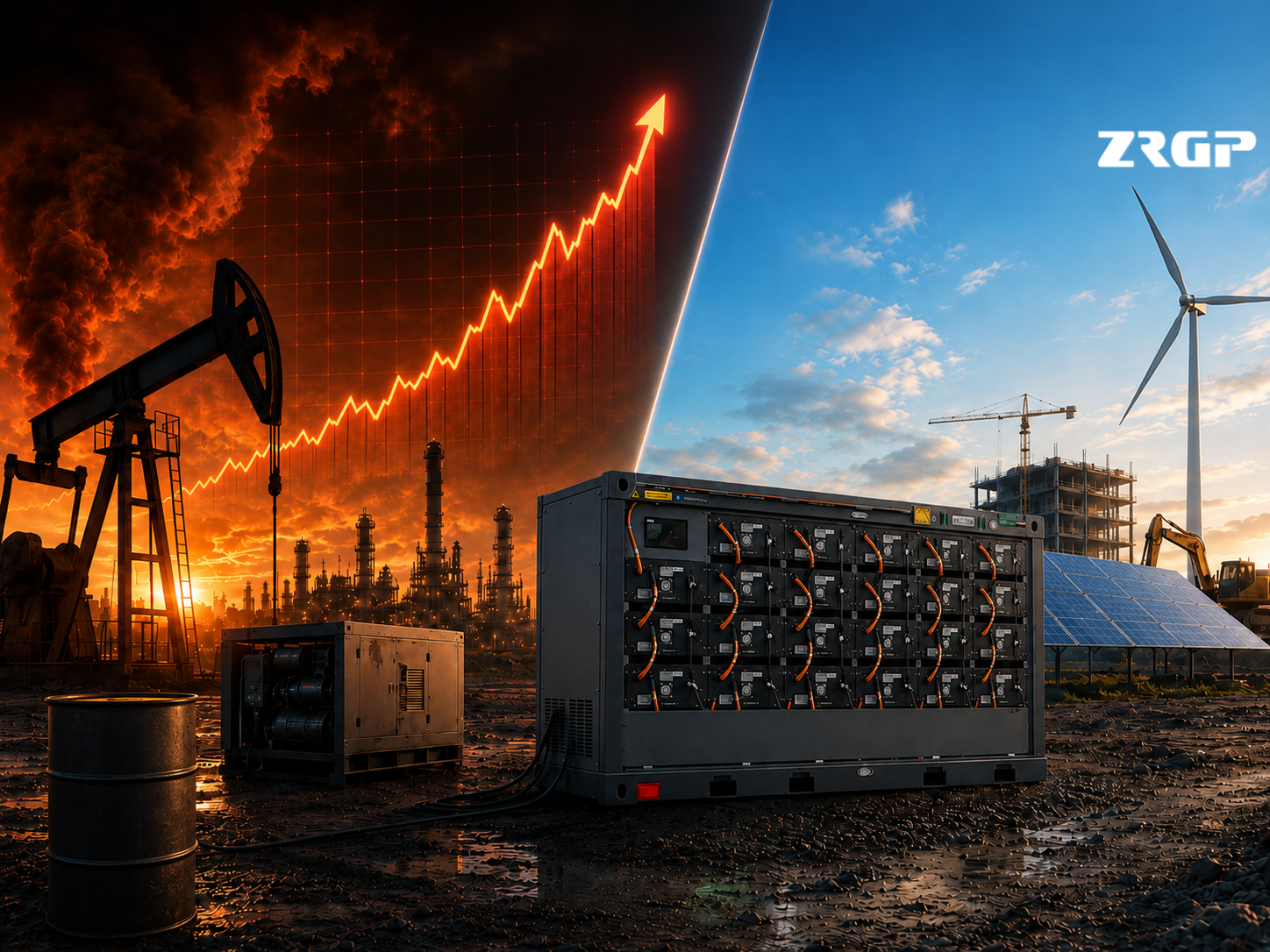
This is why diesel generator replacement should not simply be understood as “removing generators.” A more practical approach is to transform diesel generators from the only power source into a backup or collaborative energy source. By combining battery energy storage, diesel generators, solar power, and intelligent control, businesses can reduce long-duration inefficient generator operation. The energy storage system can handle low-load operation, fluctuating loads, nighttime power supply, and critical load protection, while the generator starts only when additional power is needed.
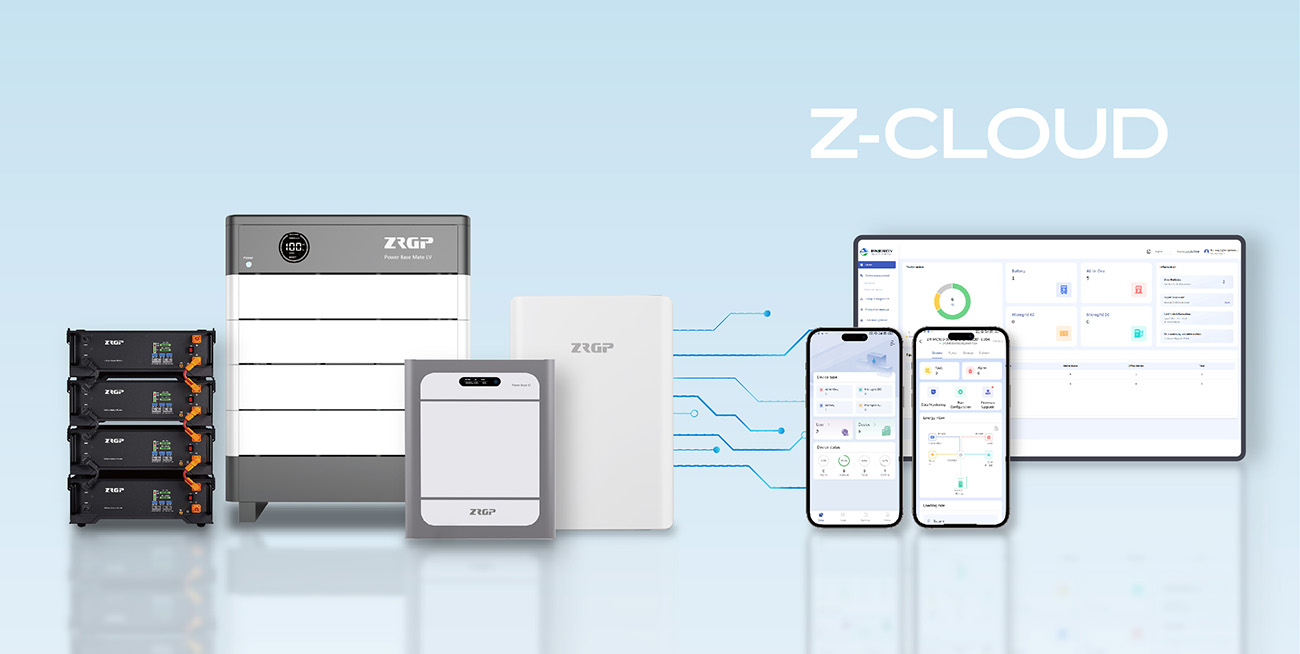
This is where ZRGP’s diesel generator alternative solutions create value. ZRGP focuses not only on battery products, but also on flexible, stable, and sustainable energy solutions for real project environments. In off-grid, weak-grid, industrial, agricultural, emergency backup, and temporary power applications, battery energy storage can work together with diesel generators to reduce fuel dependence, lower noise and maintenance pressure, and improve system stability and response speed.
When oil prices remain high, energy storage can help businesses reduce their exposure to fuel cost fluctuations. When war or logistics disruptions affect fuel supply, storage systems can provide a more reliable power buffer for critical loads. When projects require cleaner, quieter, and smarter power solutions, energy storage can help upgrade traditional generator-based systems. For more overseas projects, diesel generator alternatives are no longer just an environmental option. They are becoming a practical solution for cost control, energy security, and operational resilience.
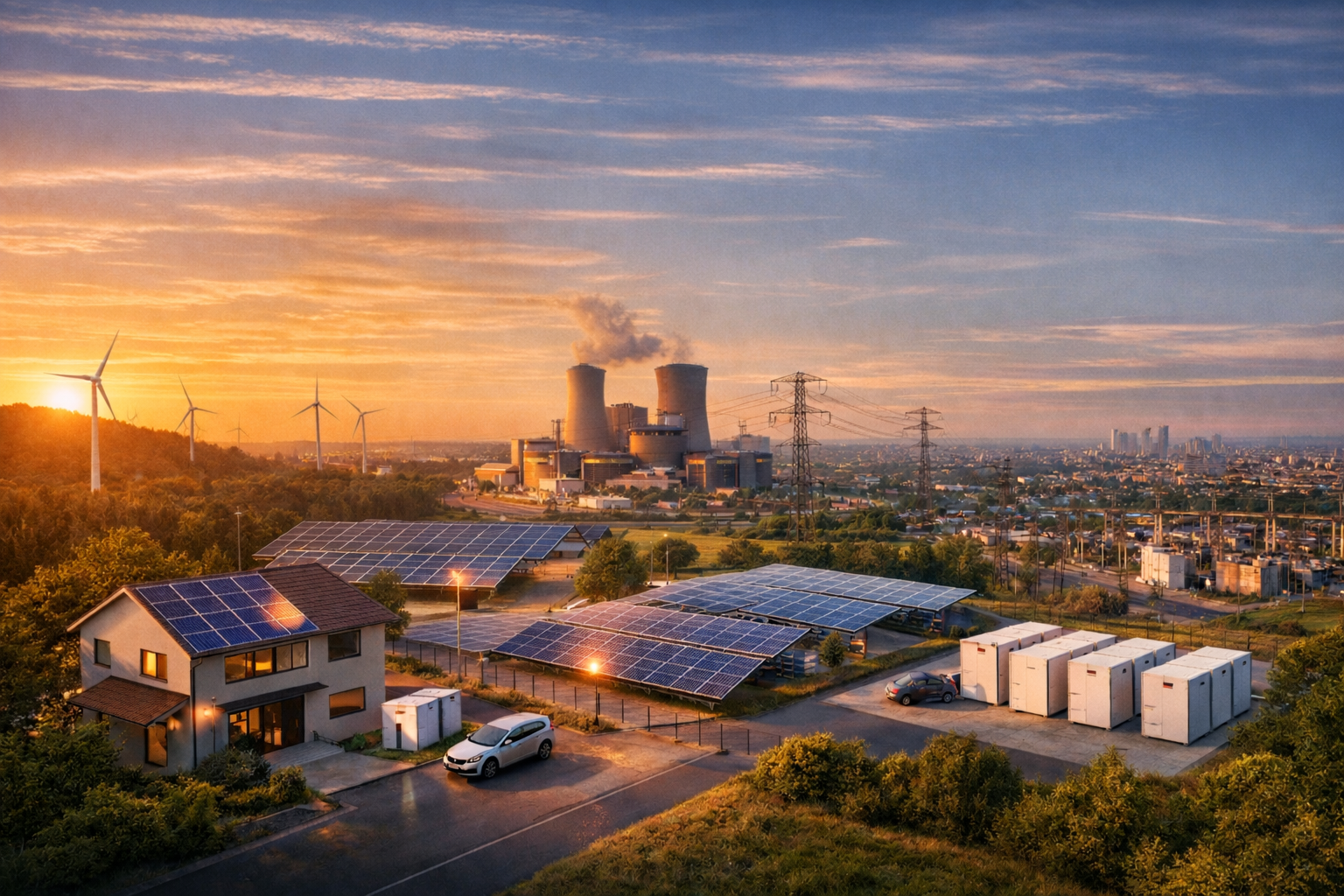
The future of site power will not rely on diesel generators alone. It will become more diversified, intelligent, and resilient. ZRGP will continue to focus on diesel generator alternatives, generator-storage collaboration, off-grid power, and weak-grid applications, helping customers turn complex energy challenges into practical, reliable, and sustainable storage solutions.
In an uncertain energy environment, a truly reliable power solution should not depend only on fuel availability. It should depend on whether the system is capable of adapting to change. ZRGP is committed to providing global customers with more flexible, safer, and more efficient energy storage solutions, helping power supply remain stable amid oil price volatility and geopolitical risk.